

Under the Hood of Tomorrow: How Engines Are Evolving Without Fuel
For over a century, the word “engine” has been closely tied to fuel, noise, and internal combustion. Whether it was gasoline or diesel, the idea of motion has always been connected to burning something to create power. But that concept is rapidly changing. Today, engineers are rethinking what it means to move a vehicle, and in many cases, fuel as we know it is slowly being phased out. Instead of explosions inside cylinders, we’re seeing electricity, chemical reactions, and software-driven systems take center stage. The future under the hood looks very different from anything we’ve known before.
The Rise of Electric Drivetrains
Electric vehicles have become the most visible sign of this transformation. Instead of engines filled with pistons and fuel injectors, they rely on electric motors powered by batteries. What makes this shift so significant is simplicity. Electric drivetrains have fewer moving parts, which means less maintenance and more efficiency. The instant torque also changes how driving feels, making acceleration smooth and immediate. While range anxiety and charging infrastructure are still concerns, the progress in battery technology is steadily pushing electric cars from niche to mainstream.
Hybrid Systems as the Transition Bridge
Not every vehicle is going fully electric just yet, and that’s where hybrids come in. Hybrid systems combine traditional combustion engines with electric motors, allowing cars to switch or blend power sources depending on driving conditions. This approach reduces fuel consumption while easing the transition for drivers not ready to commit fully to electric. It’s a practical middle ground that has helped manufacturers gradually phase in new technology without abandoning existing infrastructure too quickly.
Hydrogen Fuel Cells Enter the Conversation
Hydrogen fuel cell technology offers another interesting path away from traditional fuel. Instead of burning hydrogen, these systems convert it into electricity through a chemical reaction, with water vapor as the only byproduct. On paper, it sounds like a clean and efficient solution. The biggest challenge, however, is infrastructure. Hydrogen production, storage, and distribution are still expensive and limited. Despite this, several automakers continue to invest in the technology, believing it could play a major role in long-distance and heavy-duty transportation.
Software-Defined Power Systems
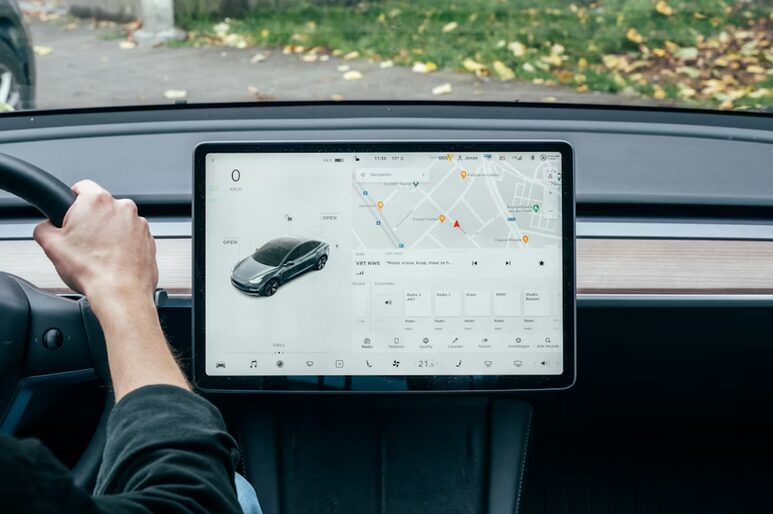
One of the most surprising shifts in modern engines is that they’re becoming less mechanical and more digital. Software now plays a huge role in managing performance, efficiency, and energy distribution. In electric and hybrid vehicles, algorithms decide how and when power is used, often adjusting in real time based on driving habits or road conditions. This means the “engine” is no longer just a physical machine—it’s also a constantly evolving digital system that can improve through updates over time.
Regenerative Energy and Efficiency Gains
A key innovation in fuel-free mobility is regenerative energy systems. Instead of wasting energy during braking or coasting, modern vehicles can capture and reuse it. This concept is especially important in electric cars, where every bit of energy counts toward extending range. By turning motion back into usable power, vehicles become more efficient without needing additional fuel inputs. It’s a small but powerful shift in how energy is thought about in transportation design.
Lightweight Materials Changing Performance
As engines evolve, so do the materials surrounding them. Manufacturers are increasingly using lightweight composites, aluminum, and carbon fiber to reduce vehicle weight. This matters because less weight means less energy required to move the car, whether it’s powered by electricity or hydrogen. In a world where efficiency is everything, shedding unnecessary mass is just as important as improving the power source itself. It’s a reminder that the future of engines isn’t just about what powers the car, but also what the car is made of.
Charging and Energy Infrastructure Expansion
The success of fuel-free engines depends heavily on infrastructure. Charging networks for electric vehicles are expanding rapidly in cities and along highways, while companies experiment with fast-charging and wireless charging solutions. At the same time, hydrogen refueling stations are slowly emerging in select regions. Without this supporting ecosystem, even the most advanced engine technology would struggle to reach its full potential. The infrastructure race is just as important as the engineering breakthroughs happening under the hood.
The definition of an engine is changing in ways that would have seemed unlikely just a few decades ago. Instead of relying on combustion, the future of mobility is being shaped by electricity, hydrogen, software, and smarter energy use. While the transition is still ongoing and challenges remain, the direction is clear. Engines are no longer just machines that burn fuel—they are becoming intelligent systems designed for efficiency, sustainability, and adaptability. What sits under the hood tomorrow may not look like an engine at all, but it will still be doing the same essential job: moving us forward.…